


The vegetable crops are usually annual, so their cultivation is intensive.
Given the variations in climatic conditions in the different regions of the country, the soil composition and the rainfall periods, it is difficult to give specific recommendations on the frequency of irrigation, but one thing is indisputable - the irrigation is a key point in their cultivation, and the harvest depends on the watering amount and quality.
In addition, the plants themselves have different requirements for the way of watering - drip irrigation or rain-pipe. As an example, we will mention some of the most popular vegetables in the country:
It is important to know that tomatoes are demanding of soil moisture. During the growing season, the moisture should be about 70% of the maximum water-retaining capacity and over 80% of the maximum water-retaining capacity during the period of fruiting. The installation of a drip irrigation system will provide gradual and deep watering to the plants. Thanks to the slow water supply, the moisture will reach a greater depth. Thus, tomatoes will be able to develop a strong root system, which will be more resistant to hot and dry weather.
The pepper is even more demanding. Taking into account the weather conditions, until the initial formation of the first fruits, the watering is recommended to be applied in intervals of 10-15 days and to be more frequent during the growing season - in intervals of 6-7 days at a rate of about 30 cubic meters of water. During the entire growing season, the soil moisture should be maintained at about 80% of the maximum water-retaining capacity. It is recommended to avoid watering during the hottest hours of the day.
The proper and regular irrigation of the pepper ensures a powerful root system, hence a well-developed leaf mass and an overground bush, as well as large and well-formed peppers. Given all its advantages, the drip irrigation is becoming increasingly popular, in this case, it is also the most suitable method for irrigation of the pepper.
The installation of drip irrigation will certainly lead to large savings in water consumption and hence financial resources. In addition, you will save time and labor - the system is installed and turned on easily, no constant human attendance and supervision is required.
Once installed, the drip irrigation system can be used repeatedly for years (for other crops). It can also be used to nourish and fertilize plants.
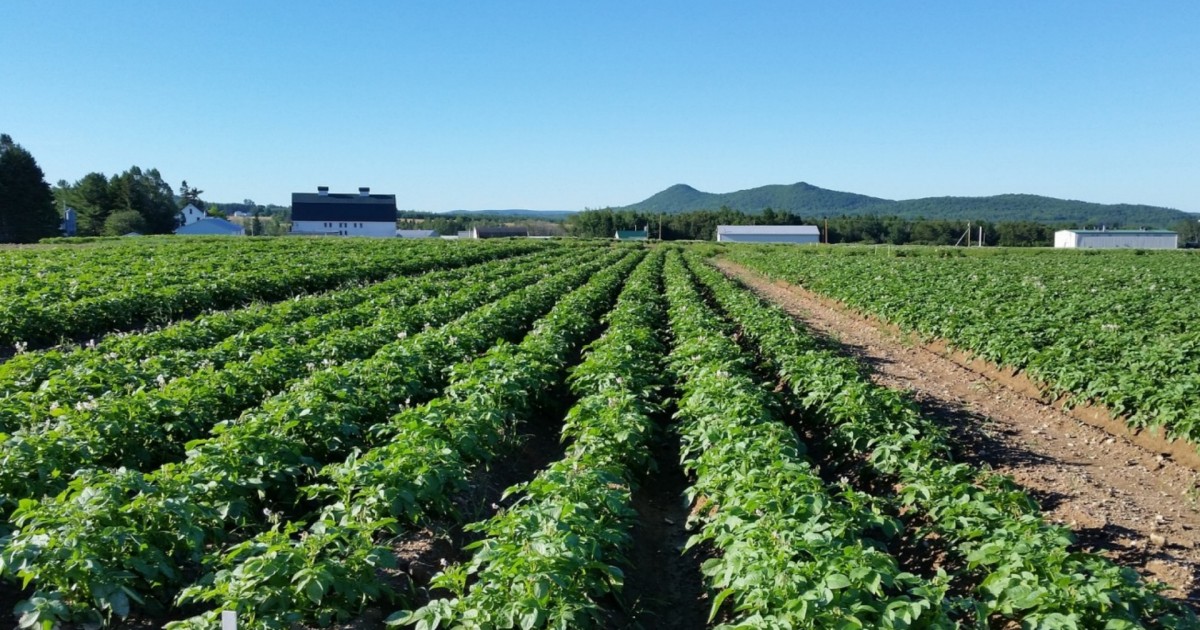
Water is a vital component for the potato production. The irrigation during the growing season reduces the risk of diseases and increases the number and mass of the tubers, allowing them to grow until they reach an optimal level and quantity at the end of the season.
There are certain stages of growth where the water management is essential. At germination, avoid watering the crop, but if the soil is dry before planting, irrigation is recommended. During the formation of tubers, it is important not to allow the soil temperature to rise much above 25°C. The irrigation water at this stage aims to keep the soil temperature low. When the tubers “grow juicy”, the reduction of the moisture at this stage will reduce the yield. Signs of this are darkening of the color or fading of the plants.
The practice of farmers in Bulgaria shows that rain-pipe as a method of irrigation is the most suitable. Irrigation machines, systems with irrigation sprinklers, etc. are used.
The shallow root system and its weak suction capacity determine the high requirements of the onions to the moisture of the soil surface layer. The onion has its highest requirements during the germination, the development of the scallions the formation of the bulb. During this period, the soil moisture should be maintained at 80% of the maximum water-retaining capacity. During the ripening of the bulbs, the dry weather favors the improvement of their capacity for preservation.
Rain-pipe watering is again a preferred method of irrigation.